Environmentally Responsible E-Waste Disposal: A Complete Guide to Responsible Recycling
Eco-friendly e-waste disposal is a critical topic in our modern technology-dependent society. As tech products are phased out, their inadequate management presents considerable threats to the environment and public health. Grasping the significance of proper recycling practices is fundamental. The following overview provides actionable measures for recognizing reusable components and readying devices for proper disposal. Nevertheless, numerous individuals fail to recognize the far-reaching consequences of e-waste management on community economies and green sustainability programs. How can everyday people contribute to addressing this urgent challenge?
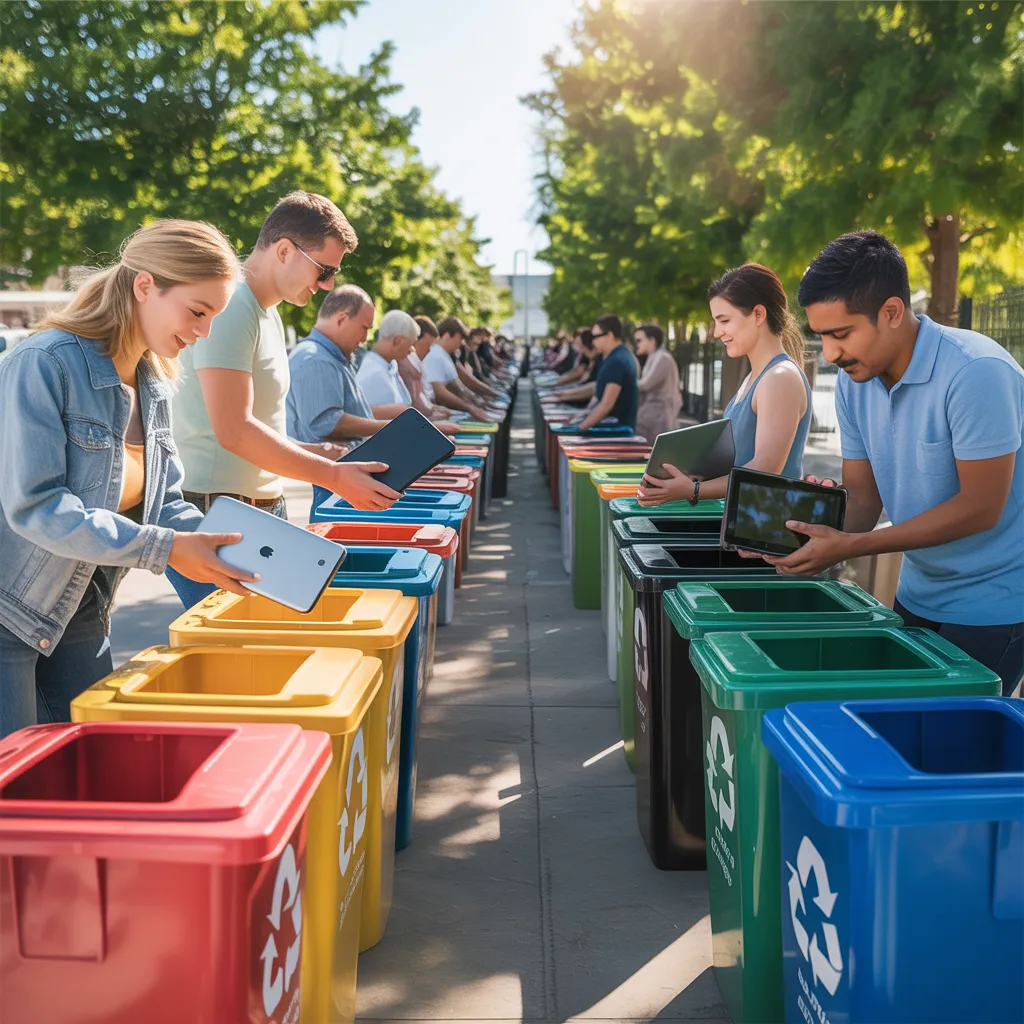
Why E-Waste Disposal Matters for the Environment
E-waste disposal is critical for environmental health, as improper handling can lead to significant ecological damage. Many electronic products frequently harbor dangerous substances such as lead, mercury, and cadmium. When e-waste is discarded in landfills, these dangerous chemicals can infiltrate the soil and contaminate water sources, presenting serious threats to both human health and wildlife. Moreover, the mounting pile of e-waste intensifies the worsening pollution crisis, straining natural resources and ecosystems.
In addition, the international appetite for new electronics accelerates the cycle of e-waste accumulation. By implementing conscientious disposal methods, such as recycling or refurbishing, valuable materials can be retrieved, decreasing the need for raw material mining. This not only conserves energy but also mitigates environmental harm. In the end, effective e-waste handling practices are imperative for safeguarding the planet and promoting sustainable growth, highlighting the importance of joint responsibility in confronting this urgent issue.
Recognizing Recyclable E-Waste
Recognizing recyclable e-waste demands knowledge of typical devices like aging computers, mobile phones, and televisions. Recognizing the hazardous materials present in these devices is critical for safe disposal and recycling. Furthermore, adhering to local recycling guidelines ensures that e-waste is processed responsibly and effectively.
Typical E-Waste Products
Numerous electronic devices contribute to the expanding issue of e-waste, making it essential to recognize which items can be repurposed. Typical e-waste consists of outdated laptops, computers, smartphones, and tablets, as well as ancillary devices like keyboards, mice, and printers. Cathode ray tube televisions, along with other older TV models, are similarly categorized as e-waste. Additional items that qualify for recycling include gaming consoles, digital cameras, and various small electronic devices, such as chargers and headphones. Domestic appliances including microwaves and refrigerators may likewise harbor recyclable elements. Understanding which items qualify as e-waste enables individuals to dispose of them responsibly, thereby reducing environmental harm and encouraging eco-friendly recycling of electronic devices.
Awareness of Hazardous Materials
Identifying the hazardous materials present in electronic devices is essential for proper e-waste disposal. Many common electronics contain substances like lead, mercury, cadmium, and brominated flame retardants, which can pose risks to human health and the environment. For instance, lead is frequently present in circuit boards and glass of cathode-ray tubes, while mercury is often detected in fluorescent lamps and batteries. Recognizing these materials enables people to make informed decisions about disposal. Awareness of hazardous components is critical not only for personal safety but also for reducing environmental impact. Correct identification confirms that e-waste is directed to specialized recycling facilities designed to process these materials, thereby fostering improved disposal procedures and safeguarding natural resources.
Community Recycling Rules
While managing local recycling policies, individuals can better understand which electronic devices are considered eligible for recycling. In most cases, items such as old computers, televisions, and handheld devices fall under this classification. Local policies often stipulate that devices containing hazardous materials, like mercury or lead, must be disposed of responsibly. It is critical to refer to local waste Contact us management resources or community notices for dedicated recycling initiatives, as these guidelines can vary greatly by area. Many local governments offer dedicated disposal sites or organized collection drives to enable proper disposal. Furthermore, manufacturers may offer take-back initiatives, encouraging consumers to bring back obsolete devices. By adhering to these local guidelines, individuals contribute to environmental protection and the safe processing of electronic materials.
Locating Nearby E-Waste Recycling Facilities
How can individuals effectively locate local e-waste recycling centers? One efficient method is to utilize online resources. Online platforms like Earth911 and the Electronics TakeBack Coalition maintain comprehensive search databases, allowing users to input their zip codes and find nearby recycling options. Additionally, local government websites often have dedicated sections for waste disposal, covering e-waste collection and recycling programs.
Local gatherings, such as e-waste collection drives, are another avenue to explore. Local environmental organizations frequently host these events, supplying locals with a hassle-free method to dispose of their electronics in an eco-friendly manner.
Social networking sites can additionally act as useful resources; community groups could offer insights into nearby recycling initiatives.
In addition , people can consult with nearby electronics stores , as a number of them offer device return programs for outdated electronics . By taking advantage of these resources , people can guarantee their e-waste is disposed of in an sustainable way .
How to Get Your Electronics Ready for Recycling
Before recycling electronics for disposal, safeguarding personal data is critical. Users should first back up critical information before moving forward to eliminate any personal data from the equipment. This ensures that private information is kept secure during the recycling process.
Back Up Data Securely
Prior to recycling electronic devices, users must verify their data is backed up securely. This process involves identifying critical files, documents, and media stored on devices. By utilizing dependable cloud storage services or external hard drives, users can move critical information to protect it from being lost. It is essential to organize files beforehand to streamline the backup process. Performing backups consistently can ensure that important data is not missed. Additionally, users should verify the integrity of the backed-up data to confirm successful transfer. By adhering to these steps, individuals can significantly lower the risk of data loss while readying their electronics for recycling. This proactive approach not only protects personal data but also promotes responsible e-waste disposal practices.
Delete Personal Information
Guaranteeing personal information is removed from electronics is an essential step in readying electronics for the recycling process. People should first carry out a factory reset for smartphones, tablets, and computers, which resets devices to factory conditions and deletes saved data. For added security, it is wise to employ data-wiping programs that adhere to industry benchmarks, ensuring that all files are irretrievable. Additionally, removing SIM cards and memory cards is vital, as these components often contain sensitive information. After wiping the device, physical dismantling of hard drives can be explored for those who prioritize maximum security. By implementing these measures, individuals can safely recycle their devices without fear of compromising personal information, promoting a greener and more secure approach to electronics recycling.
Understanding the Impact of E-Waste Recycling
E-waste recycling plays an essential role in mitigating the environmental impact of disposed electronic equipment. As global consumption of electronics rises, so too does the quantity of discarded electronics, which can harbor dangerous substances such as lead, mercury, and cadmium. Proper recycling processes guarantee that these materials are carefully removed and handled, preventing soil and water contamination.
In addition, e-waste recycling preserves precious resources by recovering precious metals and components, minimizing the necessity of mining and manufacturing new materials. This not only lowers carbon emissions associated with production but also diminishes the energy consumption linked to resource extraction.
Additionally, effective recycling programs can strengthen local economies by fostering employment opportunities in collection, processing, and sorting plants. By recognizing the substantial merits of electronic waste recycling, people and communities can contribute to a future built on sustainability, fostering a circular economy that focuses on the efficient use of resources and environmental preservation.
Tips for Reducing E-Waste in Your Daily Life
As concern about the environmental consequences of electronic waste increases, people are continually looking for methods to reduce their role in this worldwide problem. A practical approach is to prolong the life of gadgets by choosing repairs over replacements. Routine upkeep, including software updates and cleaning, can further extend the functionality of devices.
One additional method entails making thoughtful consumer decisions. Consumers are encouraged to opt for superior products valued for their durability and energy efficiency. Furthermore, choosing products with reduced packaging can significantly decrease waste.
Digital decluttering additionally supports reducing electronic waste. By routinely removing redundant files and applications, people can optimize their devices and extend their lifespan. Additionally, encouraging a mindset of exchanging and sharing electronic devices rather than buying new products fosters a more sustainable community. Together, these approaches can significantly reduce the e-waste crisis and support mindful usage practices.
Frequently Asked Questions
What Types of Electronics Are Considered E-Waste?
E-waste encompasses discarded electronic items like computers, televisions, smartphones, tablets, printers, and batteries. Electronics that are obsolete, broken, or no longer useful contribute to this category, presenting environmental dangers if not properly disposed of.
Are There Fees for E-Waste Recycling Services?
Several e-waste collection services impose fees, particularly for bigger items or certain materials. That said, various local initiatives may offer complimentary disposal, incentivizing eco-friendly recycling while supporting responsible handling of e-waste.
Can I Donate Old Electronics Instead of Recycling?
Absolutely, offering used gadgets is frequently a worthwhile alternative to standard recycling. A wide range of charities accept working devices, providing a second life for them while assisting communities. That said, ensuring the items meet donation criteria is essential for the best results.
How Does E-Waste Get Recycled Into New Products?
E-waste is recycled into new products via processes that include shredding, separating materials, and refining metals. Key materials including gold, copper, and plastic are reclaimed, allowing for their reuse in production while minimizing environmental harm.
What Becomes of E-Waste When It Is Not Recycled Appropriately?
E-waste that is not recycled properly frequently finds its way into landfills, discharging harmful toxins into the surrounding environment. This environmental contamination creates significant health dangers for people and wildlife, with important materials being wasted, adding to the ongoing problem of resource exhaustion.